



Projects: Recovery and Reconstruction Projects
Recovery and reconstruction from a disaster are not simply about restoring what has been lost. It requires developing communities into safer and more livable places, while considering pre-disaster challenges and the future vision of the region. Based on the concept of "Build Back Better," Pacific Consultants provides comprehensive support, from immediate disaster assessment and emergency response to the formulation of reconstruction plans, infrastructure rebuilding, and urban development. Working in collaboration with diverse stakeholders, including government, local residents, and businesses, we aim to achieve both improved regional safety and sustainable development, striving for reconstruction that will benefit future generations.
Track record of providing support in large-scale disasters
Great East Japan Earthquake occurred on March 11, 2011.
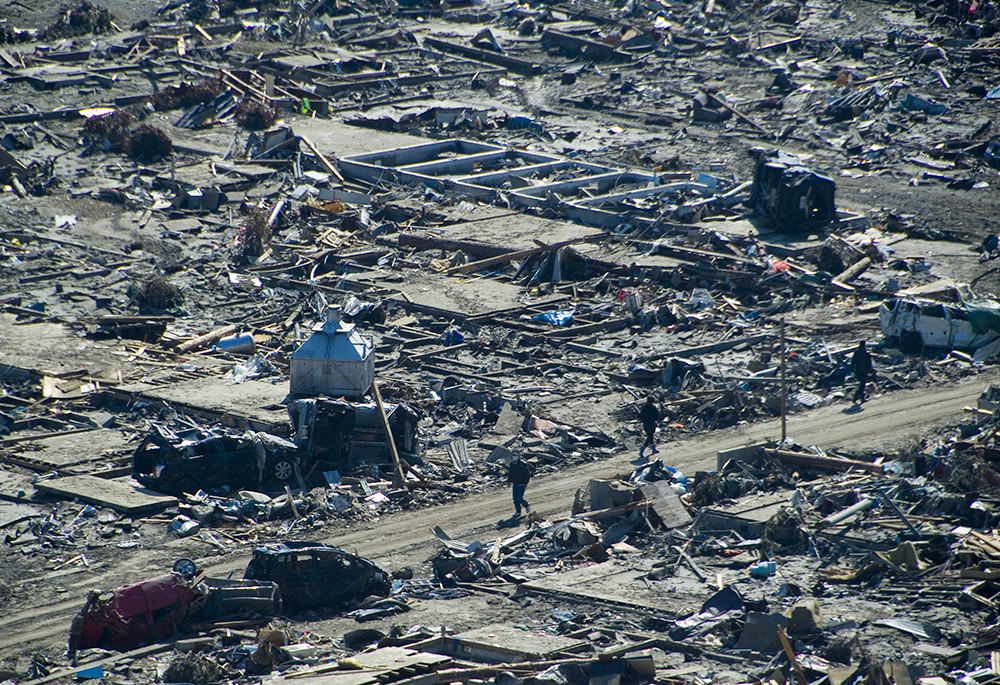
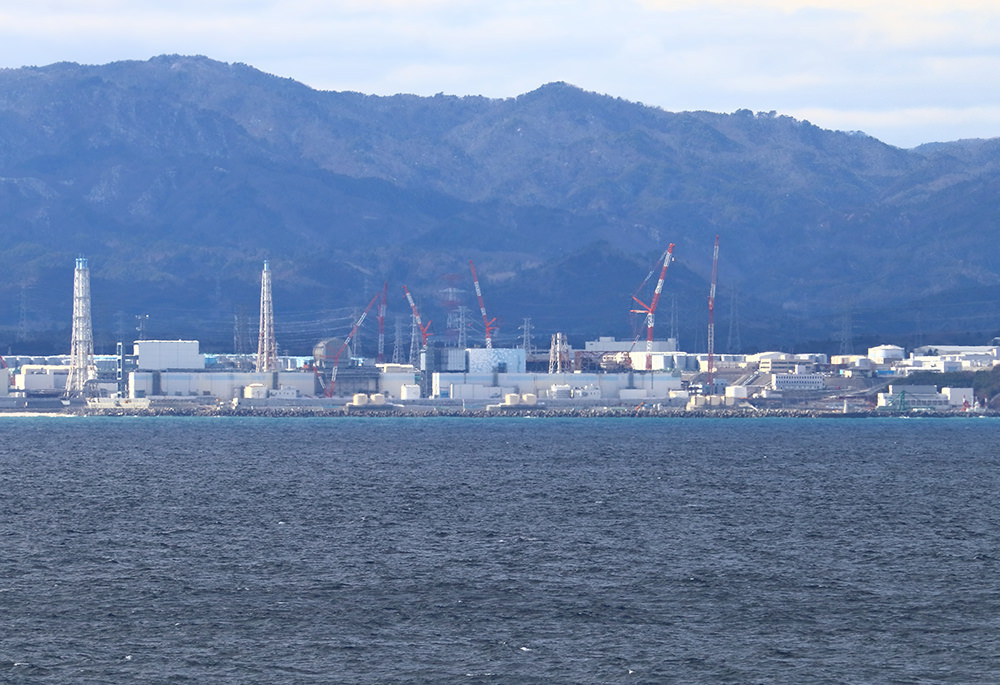
Immediately after Great East Japan Earthquake, we dispatched engineers to the affected areas to conduct damage assessments and work on recovery and reconstruction projects. In the Yuriage district of Natori City, Miyagi Prefecture, we provided comprehensive support from surveying residents' opinions to rebuilding the town. We were also broadly involved in ensuring safety in the affected areas and restoring social infrastructure, including supporting the restoration of the Sanriku Railway North and South Rias Lines, designing the Kesen River floodgate, and developing the Sanriku Coastal Road.
Furthermore, in Minamisanriku Town, we proposed and implemented project management to compensate for the shortage of administrative personnel, and in the former Kitakami River estuary area of Ishinomaki City, we promoted the development of embankments integrated with urban development, providing comprehensive support for regional reconstruction. We have worked to balance the rebuilding of lives and the improvement of regional safety through repeated dialogue with residents. We are inheriting the experience and knowledge gained from Great East Japan Earthquake and utilizing it to build a resilient country and region that is prepared for future disasters.

The Kumamoto earthquake occurred on April 14, 2016.
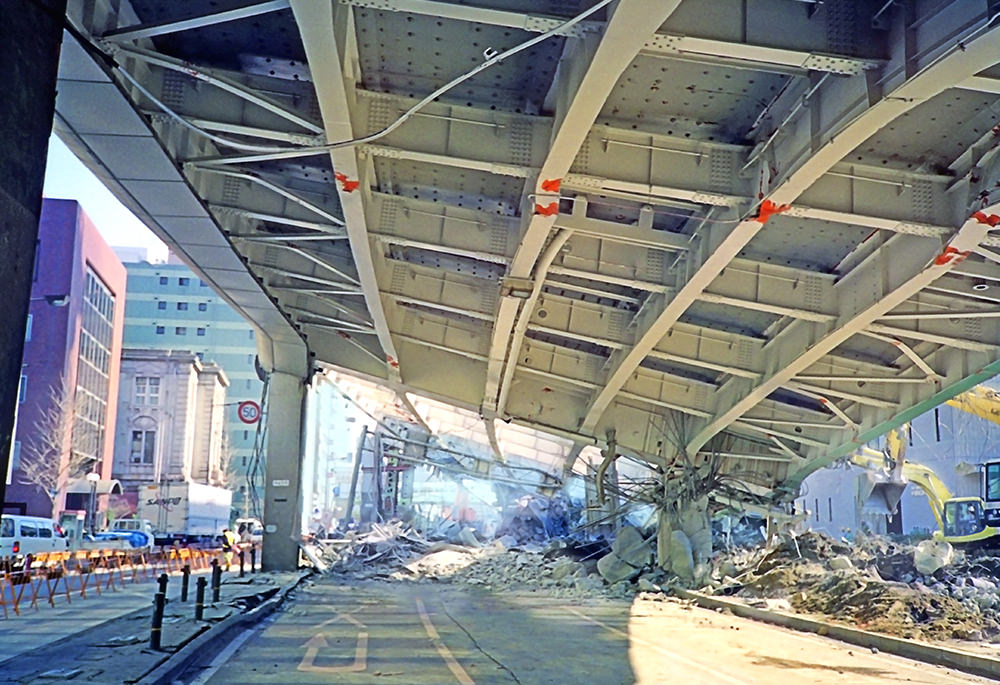
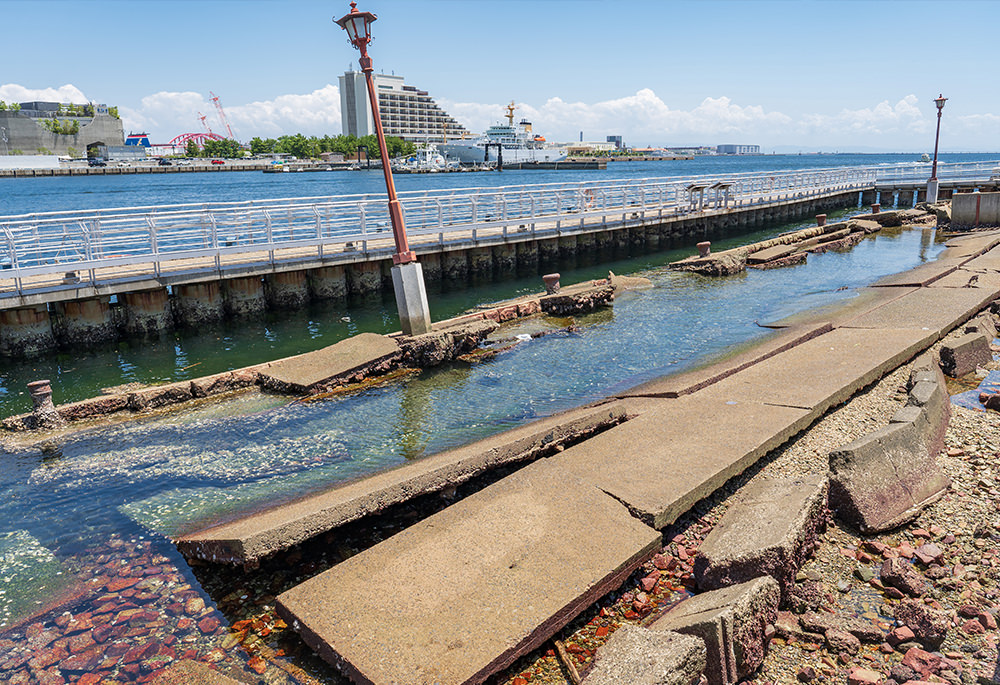
Following the 2016 Kumamoto earthquake, we dispatched engineers from across the country to assist with damage assessment and recovery/reconstruction efforts. Kyushu Branch Office undertook 65 earthquake-related projects and conducted inspections of major tunnels in the prefecture using mobile measurement vehicles, working towards the early restoration of infrastructure.
In Nishihara Village, we were involved in the recovery and reconstruction of six hamlets that suffered concentrated damage, conducting surveys of the ground and retaining walls, designing earthquake-resistant housing plots, and providing support for utilizing national subsidy programs. Furthermore, through repeated consultations and explanatory meetings with residents, we formulated a reconstruction and town planning plan that included roads, parks, and community centers, supporting reconstruction that reflected the wishes of the local community.
Furthermore, in the restoration route of National Route 57, we were responsible for project management in cooperation with the client, contributing to the opening of the 13km road in approximately four and a half years. Utilizing the experience gained from Great East Japan Earthquake, we supported the restoration of essential infrastructure and the reconstruction of a safer and more livable community.
The July 2018 Heavy Rains (Western Japan Heavy Rains) occurred from June 28th to July 8th, 2018.
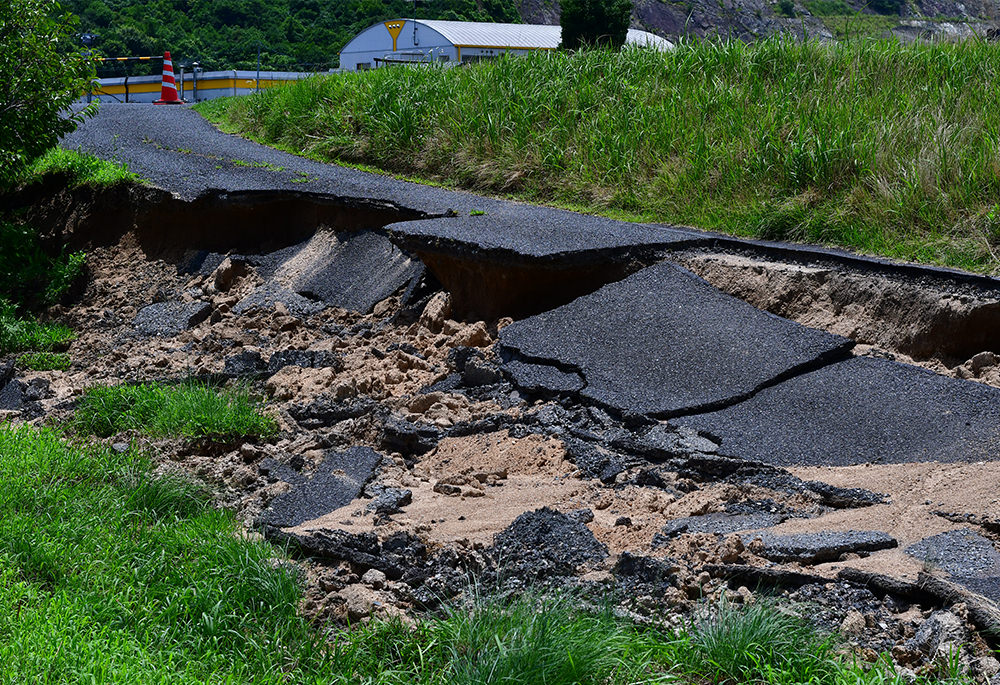
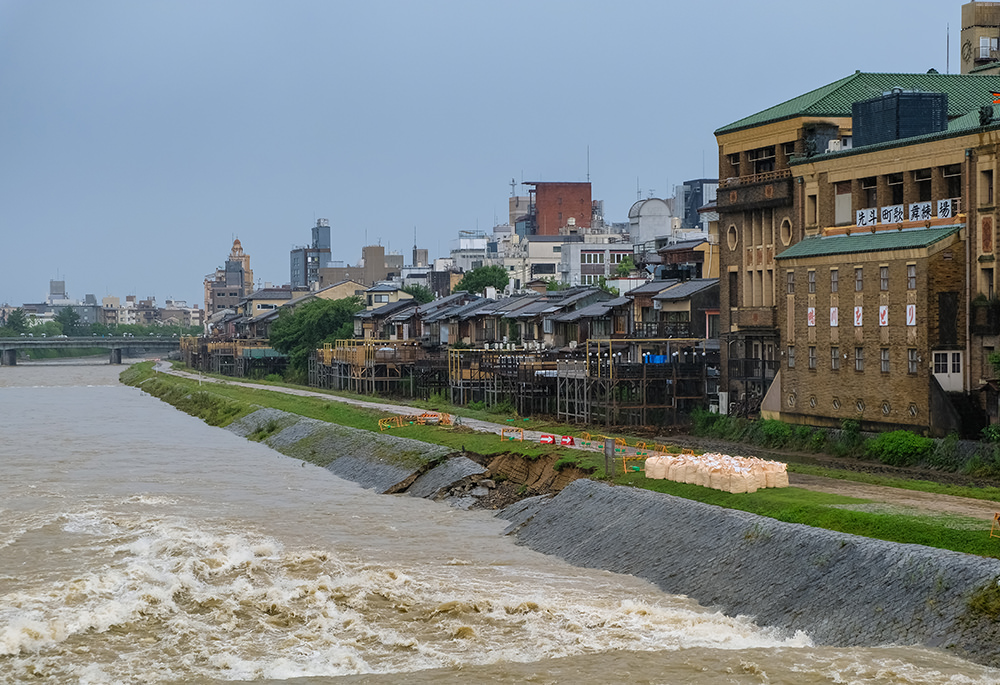
In the Odagawa River basin, which suffered extensive damage from the heavy rains of July 2018, we provided support for a project to relocate the confluence of the Odagawa River and the Takahashi River to prevent future flooding. This project involves moving the confluence of the Odagawa and Takahashi Rivers approximately 4.6 km downstream, thereby lowering the water level during floods and improving the region's flood management safety.
our company, primarily through Chugoku Branch Office, collaborated with Kyushu Branch Office and Osaka Headquarters to handle surveying and detailed design. We were involved in core tasks of the project, including the design for the excavation at Nanzan to secure a new channel, the design for the closure levee to close the old confluence point and the revetment modification in the Sakazu area, and the coordination of the river channel design and road relocation design for the Yanaihara Reservoir.
Furthermore, we worked closely with the client and construction company, providing design drawings early and responding quickly to issues that arose during the construction phase, thereby supporting the smooth progress of the project. As a result, the project was completed in March 2024, five years ahead of the original plan. Through collaboration with related organizations and companies, we supported the recovery of the disaster-stricken area and contributed to improving regional safety in order to reduce future flood risks.