
The catalyst was an incident in 2010 when a giant cedar tree on the grounds of Eiheiji Temple broke in a strong wind, partially destroying the bell tower. Recognizing this as a serious threat to the safety of monks and worshippers, Eiheiji Temple immediately began investigating the temple grounds and surrounding forest. PACIFIC CONSULTANTS was commissioned to this project. Sixteen years have passed. Since then the "Eiheiji Forest Project" continues in various forms. We talked to three people who are central to the project: Yasuhisa SAITO from the Technology Development Sec. at Advanced Technology Center, Kyosuke SAKURAI from the Next-Generation Environmental Creation Sec., of the Environmental Symbiosis Dept., Social Innovation Div. and Advanced Technology Center, and Chiyoshi MINAMI from the Project Management Dept., Project Management Div.
INDEX
- The broken 400-year-old giant tree by strong winds
- A thorough investigation to reveal the entirety of the forest
- Growing the five generation cedars of Eiheiji Temple from seedlings
- Passing on the rich forests and culture of Eiheiji Temple
The broken 400-year-old giant tree by strong winds
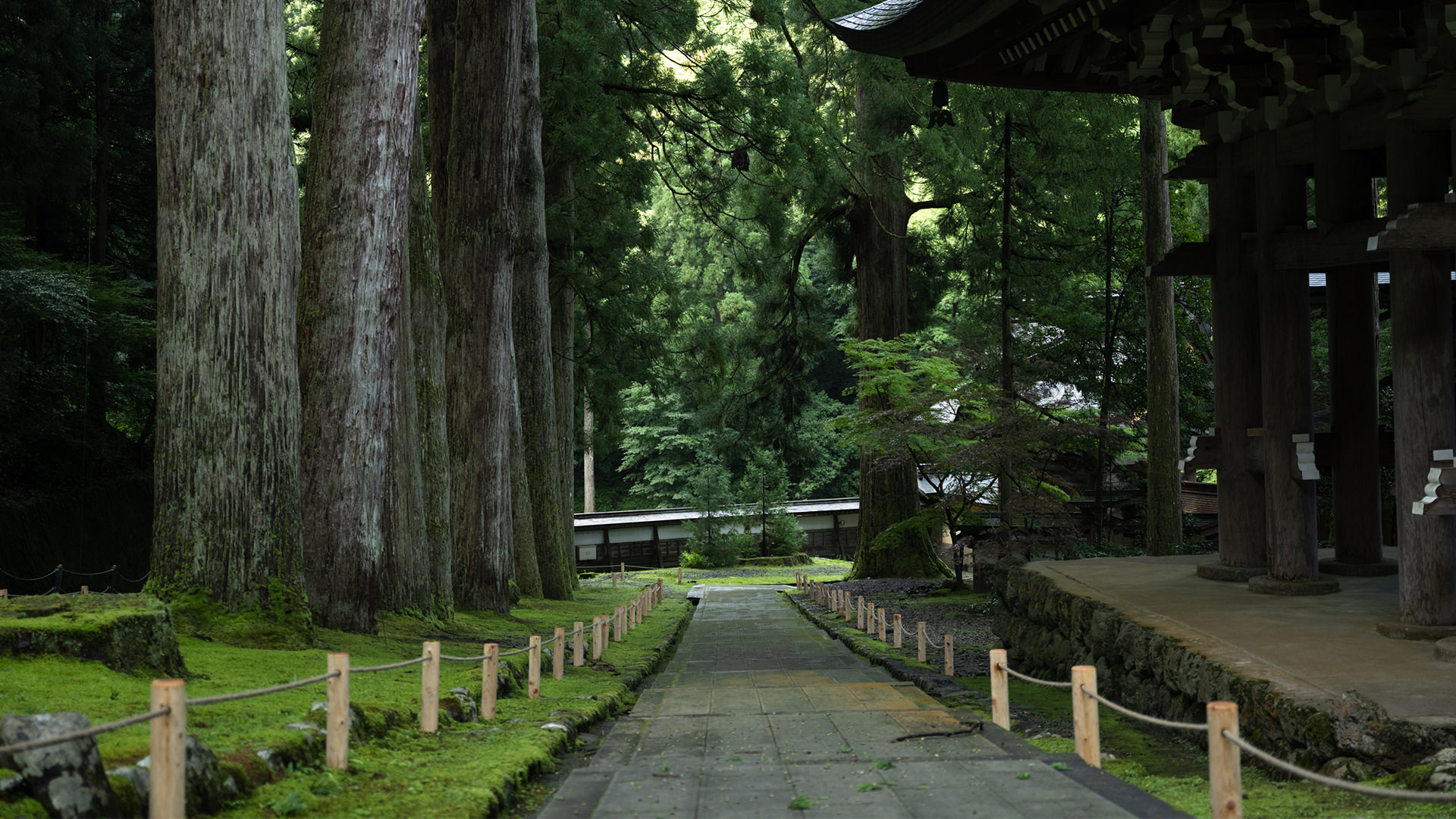
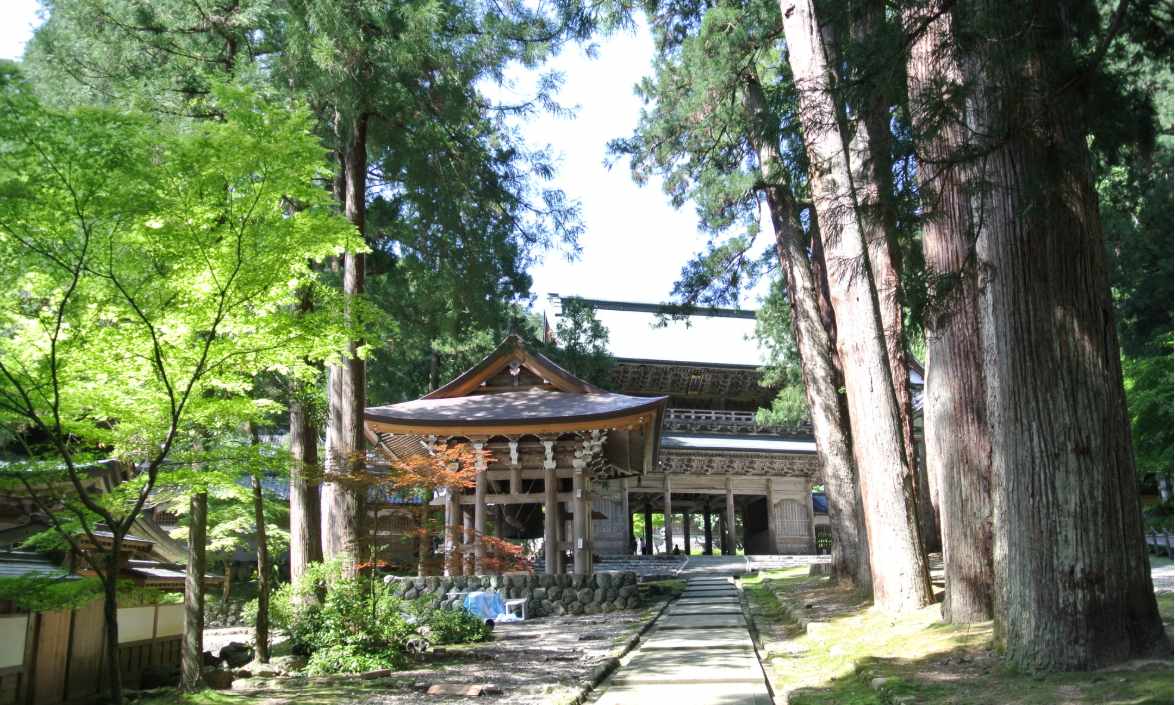
Eiheiji Temple, the head temple of the Soto Zen sect, is a Zen training center founded in 1244 by the sect's founder, Dogen. Located in a deep forest in the south of Fukui City, about 15km from Fukui Station, it boasts 70 temple buildings and pagodas where monks from all over Japan dedicate themselves to rigorous training. The accident occurred on April 27, 2010. Strong winds blew from the morning, with maximum instantaneous wind speeds exceeding 20m/s continuing from the afternoon into the evening, causing one of the ancient cedar trees known as the "Five Generation Cedars" in front of the temple gate to break about 15m above the ground. The giant tree, over 400 years old, with a diameter at breast height of about 160cm and a height of about 50m, fell onto the nearby bell tower, partially destroying the building. If there had been a person there, it could have resulted in a major accident. Eiheiji Temple has begun investigating the growth status of the giant cedar trees on its grounds and considering conservation methods, as well as conducting surveys to understand the condition of the temple buildings and the surrounding forest.
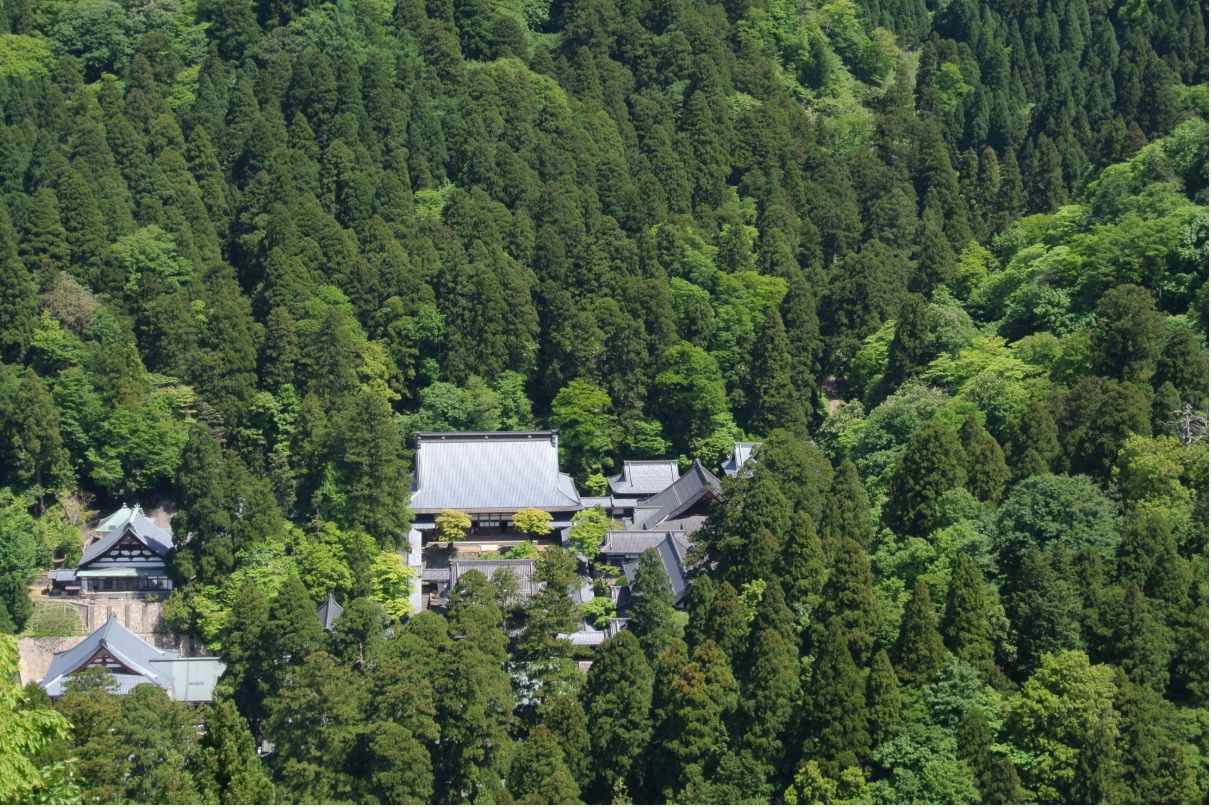
At the time, Mori Building Co., Ltd., which was involved as a consultant including the urban development around the temple gate, conducted surveys of the buildings, mainly the temple buildings, and the trees within the temple grounds, as well as overall management. PACIFIC CONSULTANTS was then assigned to the forests owned by Eiheiji Temple, including the trees within the temple grounds. PACIFIC CONSULTANTS has extensive experience in surveys, including supporting flood management projects throughout Japan and conducting environmental assessments for various infrastructure developments and developments in mountainous forest areas. They were tasked with understanding and analyzing the natural environmental conditions of the Eiheiji forest, assessing the risk of landslides, conducting biodiversity surveys, and investigating the giant cedar trees within the temple grounds. The survey started in November 2010, but soon after, the snowy season began, and the full-scale survey started in April of the following year, 2011. A detailed survey activity spanning three years had begun.
A thorough investigation to reveal the entirety of the forest
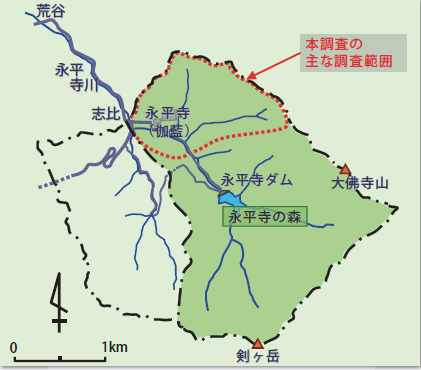
Main survey area of the Eiheiji forest
Source: "Introduction to the Eiheiji Forest Conservation Project, Issue 1 (November 2011)"
(Eiheiji Temple, Head Temple of the Soto Zen Sect, Eiheiji Forest Conservation Measures Office)
SAITO looks back.
"We consider the entire mountainous forest area, including the upper reaches of the Eiheiji River, as the 'Eiheiji Forest,' and have decided to focus our research on the area around the Eiheiji temple buildings and its surroundings to understand the environmental conditions. Specifically, this includes aerial laser surveying, field surveys of topography, geology, vegetation, and organisms, geological surveys of the geology and the root systems and soil of giant cedar trees using boring and geophysical exploration, and a comprehensive survey of the water cycle of the Eiheiji Forest, including rivers, springs, and groundwater."
In the first year of the survey, aerial laser surveying and the resulting elevation data were used to create a microtopographic classification map that divided the morphology of the terrain, as well as a surface geological map of the area, where andesite and pyroclastic rocks are said to be distributed. Furthermore, test excavations were made at the base of giant cedar trees to examine the soil and root conditions in detail.
In the second year, as part of a basic information survey to understand biodiversity, hydrological surveys, vegetation and plant surveys, and animal surveys were conducted in the Eiheiji forest. In parallel, the growth and age of giant cedar trees around the Eiheiji temple complex and their genetic characteristics were investigated through DNA analysis, and the risk of landslides on the forest slopes surrounding the Eiheiji temple buildings were examined, leading to the creation of a draft conservation plan for the Eiheiji forest. SAKURAI, a plant specialist who has been in charge of many environmental impact assessments related to development, worked with SAITO to carry out the survey activities, and it was found to be significantly different from previous ones.
"Typical environmental impact assessments focus on clarifying how the environment will change due to development, what will be lost, and how to maintain rare species if they inhabit the area. However, this time there is no development plan. This survey aims to understand what kind of place it is, taking into account all living things, and capturing its true nature in each of the four seasons. It has great breadth and depth, which made it extremely interesting," said SAKURAI.
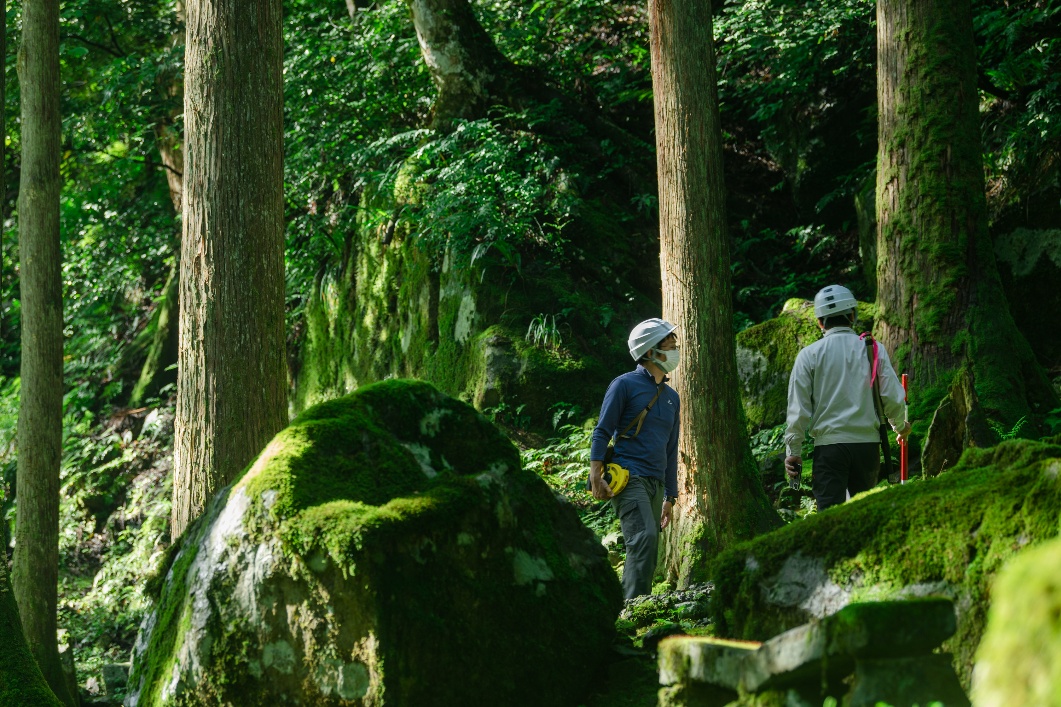
The topographical analysis and geological surveys, which utilized the latest technology, were not for the purpose of constructing new structures, but rather to understand the formation of the land. This is according to MINAMI, who was involved in the project as a geologist and geotechnical engineer.
"The northern part of the Echizen Central Mountains, where Eiheiji Temple is located, is rich in andesite and pyroclastic rocks. The area around the temple buildings was similar. Furthermore, talus deposits, a mixture of fallen rock fragments, angular fragments, and sediment, were distributed on the slopes. In addition, riverbed deposits and terrace deposits were widespread around the Eiheiji River, and debris flow deposits were distributed from the Furōkaku to the Shidōden within the temple buildings."
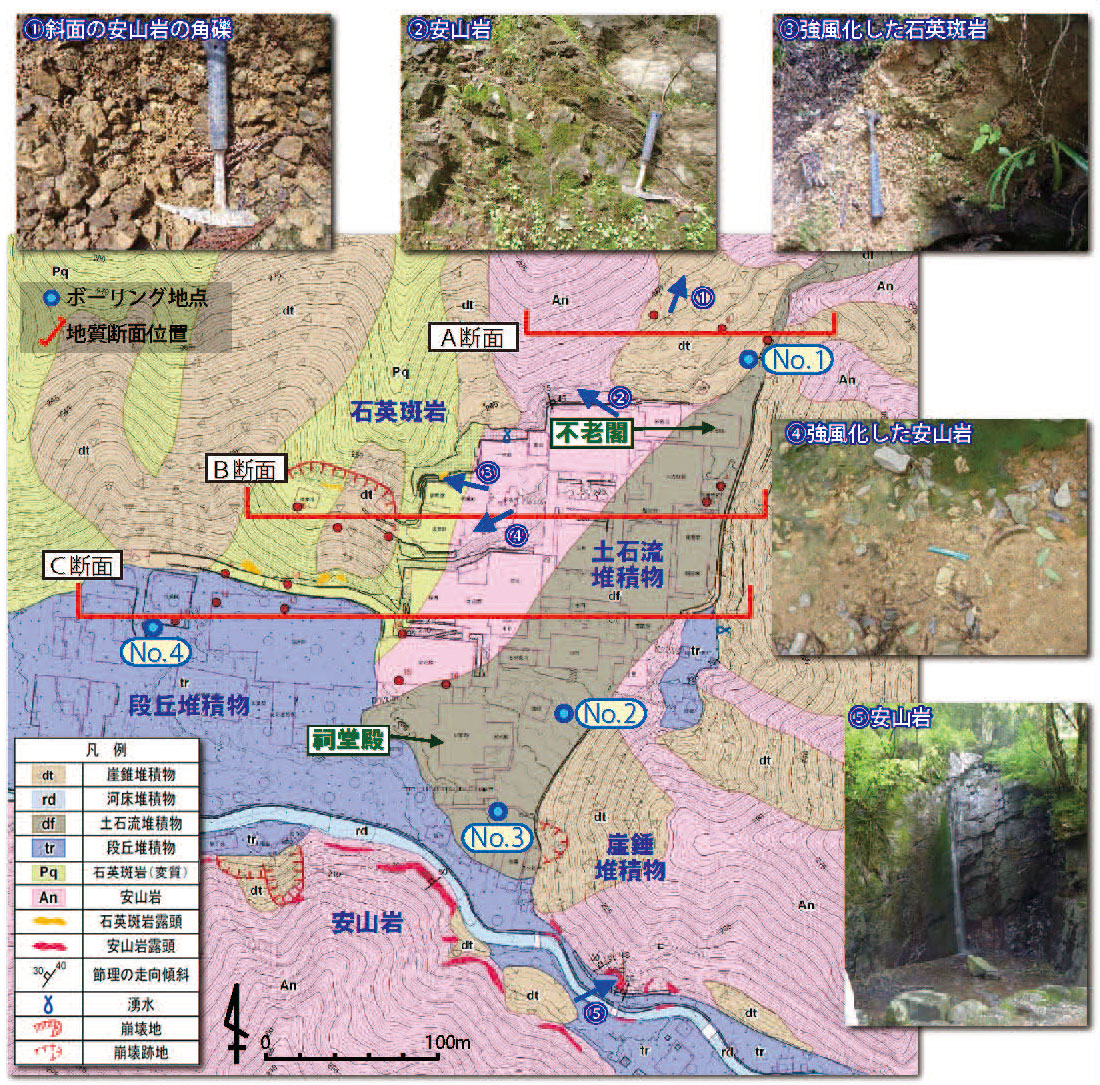
Source: "Introduction to the Eiheiji Forest Conservation Project, Issue 1 (November 2011)"
(Eiheiji Temple, Head Temple of the Soto Zen Sect, Eiheiji Forest Conservation Measures Office)
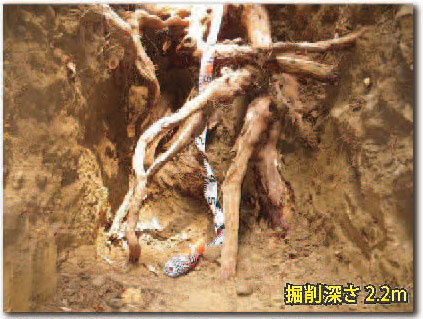
Excavation survey of the root system of a giant cedar tree
Source: "Introduction to the Eiheiji Forest Conservation Project, Issue 1 (November 2011)"
(Eiheiji Temple, Head Temple of the Soto Zen Sect, Eiheiji Forest Conservation Measures Office)
"What I found interesting was the relationship between the construction of the temple buildings at Eiheiji and the planting of trees," SAITO says.
"It appears that Eiheiji Temple was built on a narrow alluvial fan formed by ancient debris flow deposits filling a valley. To stabilize the slopes, it seems that tree species with deep and wide roots, such as cedar and zelkova, were selected and planted on the slopes surrounding the temple buildings. Hundreds of years ago, before modern civil engineering existed, it can be inferred that they managed the forest by understanding the characteristics of each tree, planting cedar with its taproot on slopes with thick, unstable talus deposits, and zelkova with its wide and deep roots on steep slopes with thin topsoil and exposed bedrock. One reason why giant cedar trees were able to grow concentrated along the approach road extending from the main gate was the geology. I was once again struck by the depth of our ancestors' wisdom."
In the second year of the survey, it was discovered that a surprisingly large number of mammals inhabit the area, including Asiatic black bears, Japanese serows, wild boars, masked palm civets, badgers, foxes, raccoons, and hares. In the third year, in addition to using sensor cameras to assess the presence of Asiatic black bears, the cherry salmon was selected as a representative species of the creatures in the Eiheiji River, and its habitat was investigated.
It is rare to see such a comprehensive survey conducted on a single forest. This led to many discoveries, but it also highlighted the urgent need for countermeasures.
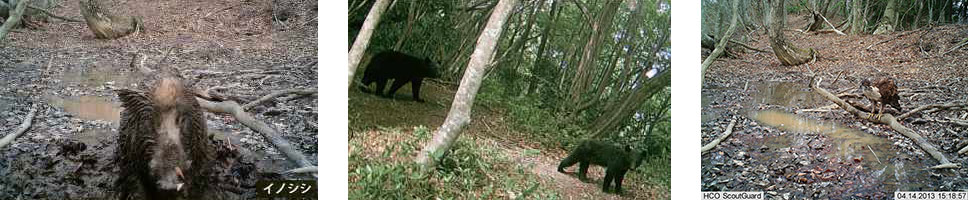
Source: "Introduction to the Eiheiji Forest Conservation Project, Issue 3 (November 2014)" (Eiheiji Temple, Head Temple of the Soto Zen Sect, Eiheiji Forest Conservation Measures Office)
Growing the five generation cedars of Eiheiji Temple from seedlings
The last significant afforestation in the Eiheiji forest took place more than 30 years ago. Although maintenance has been carried out as needed since then, the cedar plantations have not been utilized as a timber resource. As a result, the forests have generally become old, making it difficult for sunlight to reach the forest floor and requiring thinning. Furthermore, there were concerns that if the deer population continued to increase, the forest environment would change rapidly due to damage from grazing.
"We decided to create a new 'Forest Management Plan for Eiheiji Temple,' and we believe it is necessary to appropriately utilize the cedar plantations, convert to broadleaf trees and multi-colored forests, and replant cedar trees," said SAITO. The development of new access roads is also essential for creating the forest plan. Surveys and planning for this were also necessary. Furthermore, there was something else that SAITO was very keen to tackle: Passing on the giant five-generation cedar trees unique to Eiheiji Temple to future generations.
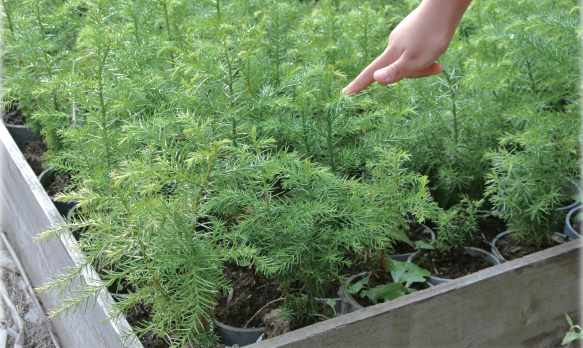
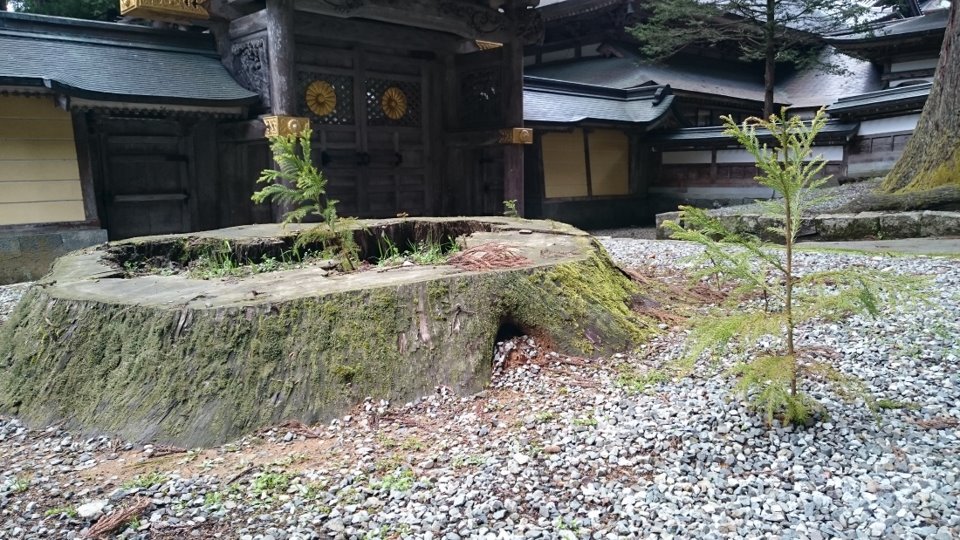
Source: "Introduction to the Eiheiji Forest Conservation Project, Issue 3 (November 2014)" (Eiheiji Temple, Head Temple of Soto Zen Sect, Eiheiji Forest Conservation Measures Office)
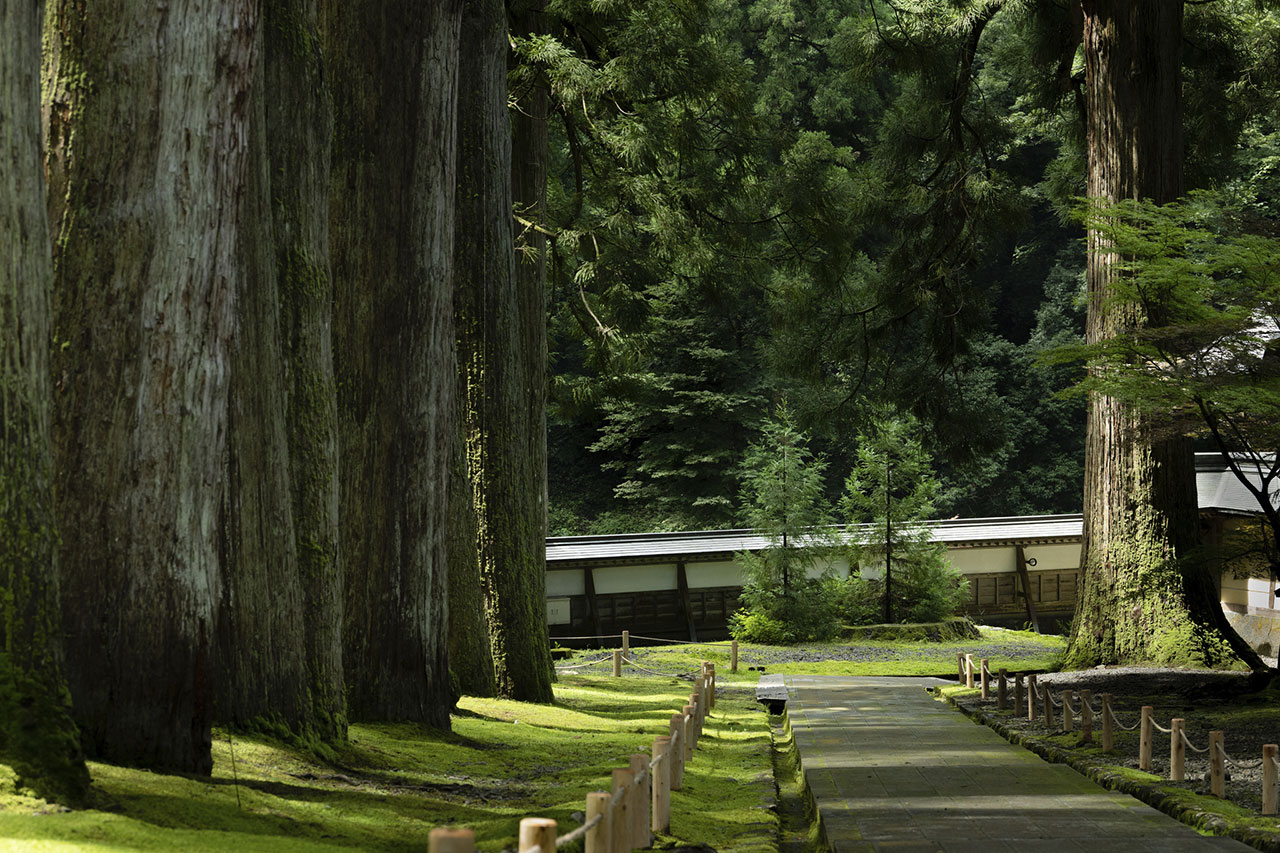
"The reason these trees are called 'Godai Sugi' (Five Generation Cedars) is because they are said to have been planted by the fifth abbot of Eiheiji Temple, Zen Master Giun, who dedicated himself to the reconstruction of the temple buildings after it was devastated by fires and other disasters. However, there is also a view that they were actually planted about 200 years later. Even so, they are 500 years old. We collected sprouts from 37 of the Five Generation Cedars along the approach to the temple and, with the cooperation of the Forestry and Forest Products Research Institute, conducted DNA analysis. We found that no other cedars with the same genotype existed among the 1,265 individuals in 43 natural forest populations distributed throughout Japan, indicating that they are locally sourced. Furthermore, since there were six types of cloned cedars exhibiting the same genotype, it is possible that some were grown from cuttings of cedars that grew here in the past, and that they are descendants of the 'original' Five Generation Cedars planted during the time of Zen Master Giun. Cedars also have a lifespan and will eventually wither and die. We wanted to grow seedlings from seeds that fall from the Five Generation Cedars and plant them."
Growing seedlings from seeds was not easy, but with the help of experts, the seedlings were successfully cultivated and planted.
Furthermore, during a survey of the growth status of the cedar trees in the temple grounds, some were found to have cavities in their trunks due to decay, and several were cut down for safety reasons. We are considering how to make effective use of these felled cedars, and are currently prototyping coasters and small plates using the parts of the trunks that have decayed due to brown rot fungi, and are proceeding with the final production method.

Furthermore, in order to manage the forests of Eiheiji Temple in the future, sustainable management is required. Therefore, as a method to secure a stable source of funding, we are considering utilizing the "J-Credit Scheme" operated by Ministry of Economy, Trade and Industry (METI), the Ministry of the Environment, and the Ministry of Agriculture, Forestry and Fisheries.
This system allows implementers of forest management projects deemed appropriate by the government (credit creators) to use the proceeds from the sale of credits for forest management (such as strengthening logging roads) and forest protection (measures against harmful animals, cultivation and protection of natural forests), while credit purchasers can effectively utilize the credits for carbon offsetting and CSR activities. Nationwide challenges in forest management, such as land ownership issues in forests, are also becoming apparent in the forests of Eiheiji Temple.
Passing on the rich forests and culture of Eiheiji Temple
The elemental technologies demonstrated by PACIFIC CONSULTANTS in the "Eiheiji Forest Project," including aerial laser surveying, geological analysis, river flow and groundwater movement studies, and ecological surveys of forest organisms, are all unique to PACIFIC CONSULTANTS and utilize the latest ICT technologies at the time of the surveys. Through these surveys, the danger of falling giant trees was avoided, and the locations of risks inherent in the forest, such as landslides, were revealed. This forms the foundation for coexisting with nature while being prepared for dangers. This project, which began in 2010 and continues to this day, is neither a survey related to development nor simply a forest manegement project.
"Eiheiji Temple, founded by Zen Master Dogen, was located deep in the mountains, reached only by walking upstream along the Eiheiji River. Although many people now visit by car, Eiheiji Temple as a training ground was a place where a limited number of monks devoted themselves to their trainings, and the surrounding forest provided the water, food, and timber used for construction that supported their lives. Although its role as a source of water and food has diminished, maintaining the grounds of Eiheiji Temple and the surrounding forest means protecting and passing on a place that supports the daily practices of the monks and brings peace of mind to visitors. It is also about passing on the culture that Eiheiji Temple has carried on to future generations," says SAITO.
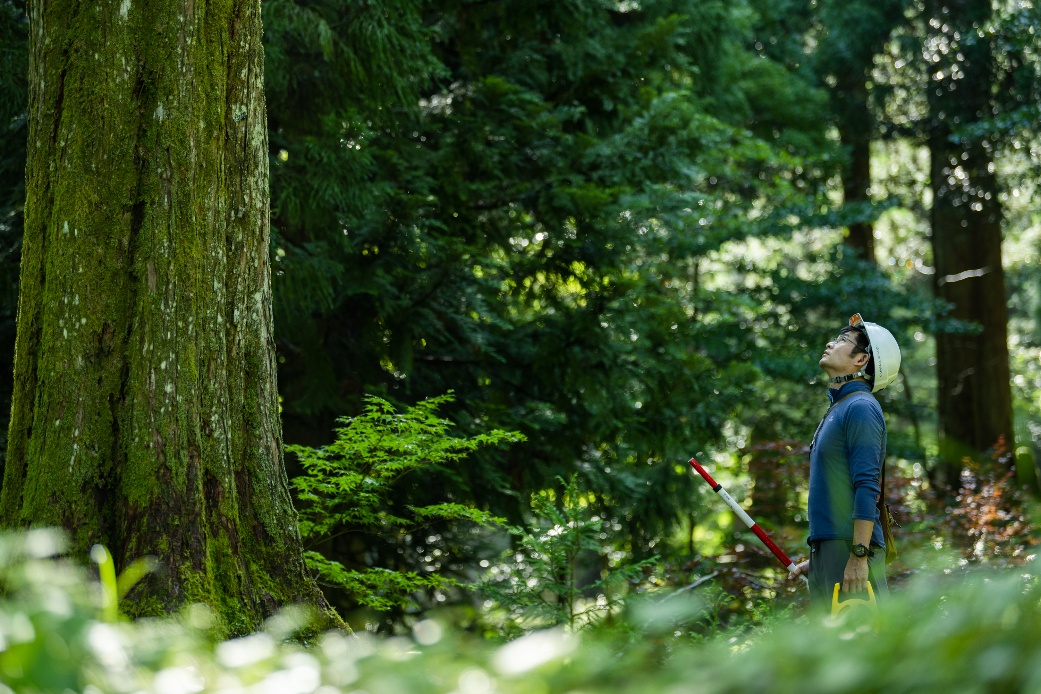
Following the 2010 accident, Eiheiji Temple organized the "Eiheiji Forest Executive Committee." However, recognizing the need to comprehensively promote the redevelopment of the temple grounds, ensuring safety and security, and improving the landscape around Eiheiji Temple and revitalizing the area in front of the temple gate, the committee was reorganized into the "'Zen Village' Town Development Executive Committee," with PACIFIC CONSULTANTS joining as a town development consultant. The three individuals unanimously stated, "We want to play a part in ensuring the future prosperity of the Eiheiji Forest and the peace of the people who gather there."