
2026.09.16 #Project Gallery 2025 #Project Story #PPP The 20th Asian Games (2026/Aichi, Nagoya), Asia's largest sporting event, will be held in September 2026, marking the first time it has been held in Japan in 32 years since the 1994 Hiroshima Games. Following the 5th Asian Para Games, the main venue for these events will be the Mizuho Athletics Stadium in Nagoya. Nagoya City is working to make the stadium meet the requirements for being the main venue for the Games, and at the same time, to develop Mizuho Park, where the stadium is located. PACIFIC CONSULTANTS assisted in the development of the master plan. We spoke with three people who were in charge of the project: Kazuyoshi YAMADA from the PPP Project Sec., PPP Management Dept. Social Innovation Div.; Sachio NAGURA from the Project Management Sec., Architecture Dept.; and Yuzuru MATSUNOBU from Area Value Creation Sec., Integrated Project Dept.
INDEX
- A track and field stadium that met the requirements for hosting the competition was needed
- Considering a master plan for the entire park, not just the stadium
- Considering the ideal form of parks, and incorporating perspectives beyond sports
- The consortium will not only be responsible for park development but also for maintenance and management, leading to a more comprehensive approach
- Continuously monitor operations through monitoring tasks
A track and field stadium that met the requirements for hosting the competition was needed
The Asian Games, first held in 1951 in New Delhi, India, are the largest quadrennial sporting event in Asia, organized by the Olympic Council of Asia (OCA). In Japan, the 3rd Games were held in Tokyo in 1958, and the 12th Games were held in Hiroshima in 1994. For the 20th Games in 2026, Aichi Prefecture and Nagoya City jointly bid to host the event, and were approved as the host city at an OCA meeting in September 2016.
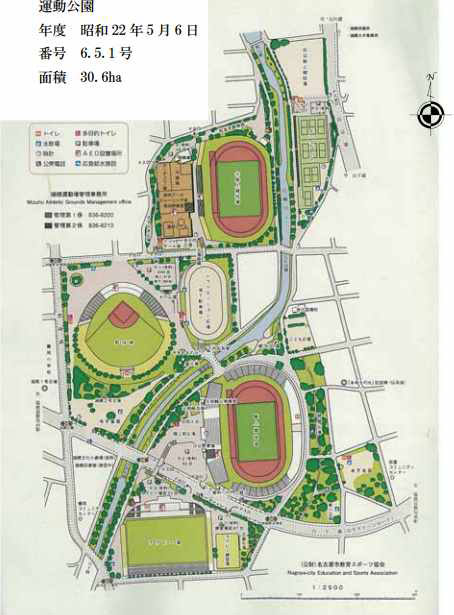
Overall view of Mizuho Park before renovations
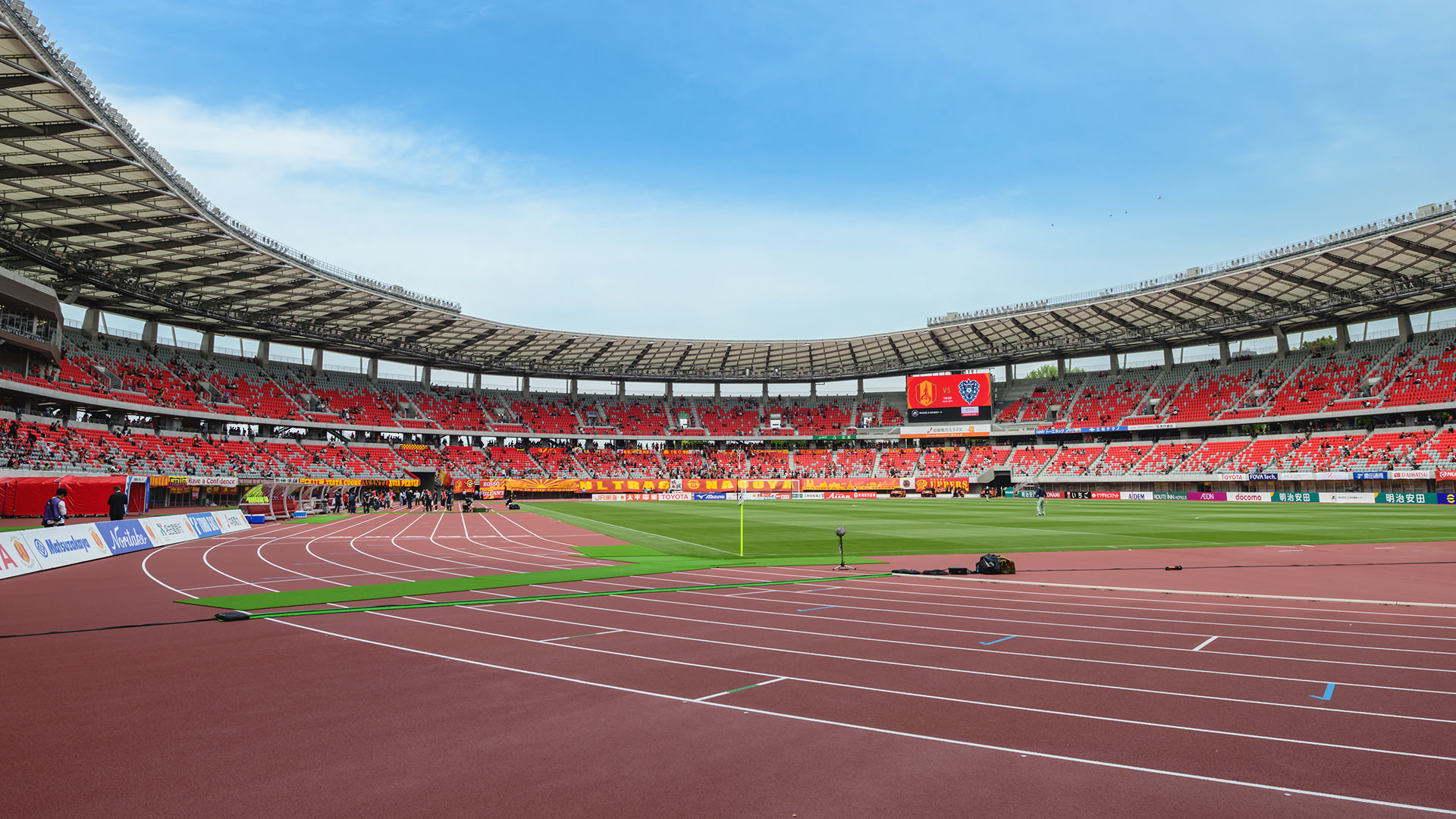
The athletics stadium below has been newly rebuilt.
It will be the main venue for the 20th Asian Games (2026/Aichi, Nagoya).
source: Mizuho Park Management and Operation Policy (Nagoya City Greenery and Civil Engineering Bureau)
However, the athletics stadium intended as the main venue was built in 1941, and although it has undergone renovations and improvements since then, it only has a seating capacity of 9,000 in the main stand with individual seats and 18,000 in the back stand with bench seats, and also lacks sufficient consideration for wheelchair accessibility. Although it is the only athletics stadium in the prefecture certified as a Class 1 by the Japan Association of Athletics Federations and is the home stadium of J.League team Nagoya Grampus, at the time it could not meet the requirements of 30,000 fixed seats and 5,000 temporary seats, totaling 35,000 seats, which were required for the main venue to host the opening and closing ceremonies of the Asian Games. Therefore, in February 2018, Nagoya City solicited proposals for formulating a basic plan for the reconstruction of Mizuho Park Athletic Stadium and conducting a feasibility study to implement it as a PFI project, and PACIFIC CONSULTANTS was awarded the contract. Nagura of Architecture Dept. recalls:
"At the time, the athletics stadium had a green space on one side, a river on the other, and a main road running right next to it. Furthermore, the main stand was built on top of an area containing Jomon period buried cultural artifacts, and it was stipulated that no digging was allowed except where the existing main stand stood. The green space on the east side could be excavated to the minimum extent necessary, but the green space was popular with the citizens, and the area where the park is located is a quiet residential area, so it couldn't be easily cut down. Rebuilding it into the main venue for the Games under so many constraints was extremely difficult."
Nagura held numerous meetings with members of Architecture Dept., and also traveled around the country visiting various stadiums to gather inspiration for the plan. He redrew the drawings many times and visited Nagoya City almost every week to discuss the project with the city government, working to develop the basic plan.
Considering a master plan for the entire park, not just the stadium
Nagura worked on the basic plan for the athletics stadium, making revisions along the way, but there was something that had been bothering him from the beginning. That was whether a plan to rebuild only the athletics stadium was the right approach. Mizuho Park has a total area of approximately 24 hectares and, in addition to the athletics stadium, has sports facilities such as the North Athletics Stadium (certified as a Class 3 stadium), a baseball field, a rugby field, and tennis courts, as well as a nationally designated historical site, a recreation area, and a children's park. Moreover, while many sports parks across the country are built on riverbanks or in the suburbs, Mizuho Park is located in a residential area close to the center of Nagoya City, with access to three subway stations. "I thought that the complete reconstruction of the athletics stadium should be considered as part of a master plan for the entire park, which should determine what kind of park this attractive sports park should become," said Nagura. He explained to Nagoya City the necessity of a master plan for the entire park and the need for an integrated project, and as a result, the city decided to solicit proposals for two integrated services in the following year: "support for selecting a business operator" and "formulation of the overall Mizuho Park plan." PACIFIC CONSULTANTS has been awarded the contract following its work on formulating the basic plan for the reconstruction of the athletics stadium and conducting a feasibility study for PFI (Private Finance Initiative).
Considering the ideal form of parks, and incorporating perspectives beyond sports
The next stage of PACIFIC CONSULTANTS' work involved considering a master plan for the entire Mizuho Park, including the rebuilding of the athletics stadium, and supporting the creation of requirements specifications for the city's public tender for contractors. Matsunobu reflects on the project, which had grown into a much larger undertaking.
"Around 2016, when the host city for the Asian Games was decided, there was a growing discussion across Japan about renovating large-scale sports parks built in the 1970s and 80s. The idea was to expand the park's functions and create a place where citizens could gather and enjoy themselves on a daily basis, even when there were no matches. Our efforts to make Mizuho Park as a whole more attractive by incorporating perspectives beyond sports were ahead of the curve in this movement, and it was a very rewarding project."
Regarding the basic plan for the athletics stadium, which was difficult to implement under various constraints, some trees in the green space, which were dense and had areas where sunlight could not reach, were cut down to the bare minimum necessary to secure a certain amount of space. In addition, regarding the land in front of the main stand where excavation was prohibited due to buried cultural properties, a deck was constructed by placing long beams over the burial site, and a stadium plan befitting a main venue was realized by making three-dimensional use of the space. The "Requirements Specification" was compiled, which also included the construction of an overpass crossing a city road to ensure spectator flow, and consideration to prevent noise from increasing beyond the current level in order to maintain the peaceful living environment of the residential area.
Furthermore, regarding the overall plan for Mizuho Park, the "Mizuho Park Master Plan - Basic Concepts for Development and Operation" was compiled through repeated surveys of the current park usage and interviews with the relevant city departments. This was published by the city in July 2020.
This master plan sets forth four pillars for the direction of park development: "creating vibrancy through sports," "a place for citizen interaction and relaxation," "preservation and utilization of the natural environment," and "a place to experience the beginnings of Nagoya's history." It then outlines what specific actions should be taken to achieve each of these. The plan to rebuild the athletics stadium thus evolved into a plan for the redevelopment of the entire Mizuho Park.
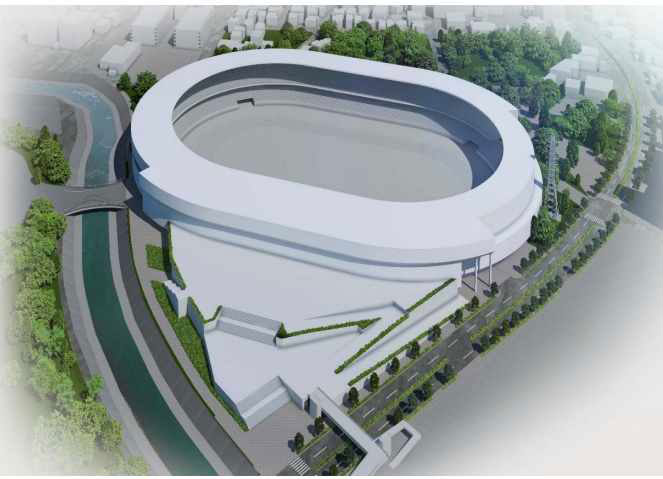
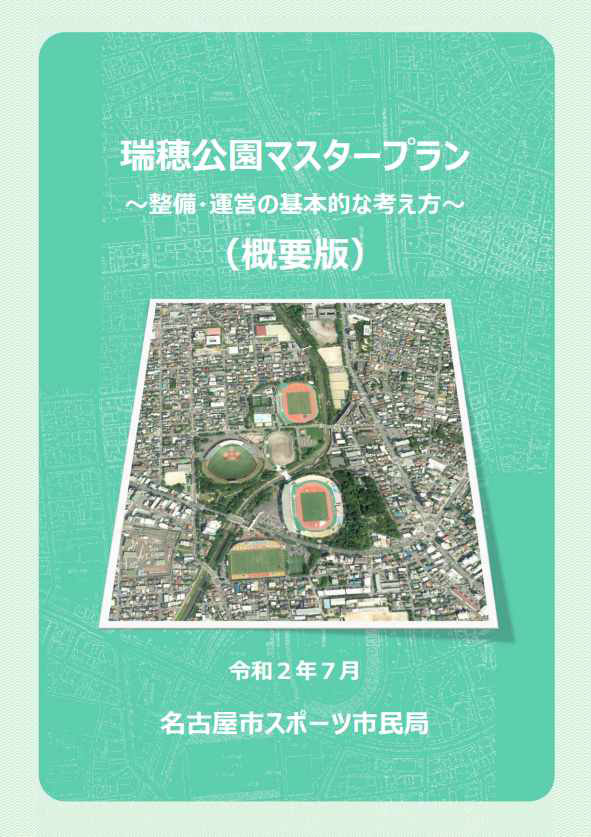
The consortium will not only be responsible for park development but also for maintenance and management, leading to a more comprehensive approach
However, even after the master plan was completed, Nagoya City was initially reluctant to undertake the maintenance and operation of the entire park as a single PFI (Private Finance Initiative) project. However, Yamada of PPP Management Dept. believed that in order to realize the development policy outlined in the master plan, it was necessary to consider the operation of the entire park, not just the athletics stadium. Only then could the expertise of private business sectors be maximized, making it a highly valuable project for private business sectors as well. PACIFIC CONSULTANTS proposed making the entire park a subject of PFI, thus creating a major momentum for park development. Yamada recalls:
"If it were just a matter of developing an athletics stadium, I think a well-established super general contractor would have partnered with an architectural firm to submit the application. However, since the project includes not only the stadium but also the development and operation of the entire park, we also need a landscape design firm and a business operator skilled in park management. Companies from various industries must team up as one group. The bar for application will be higher, but we decided to require a consortium of businesses with specialized expertise. This will allow us to proceed with the development, maintenance, and operation of the entire park with a unified direction."
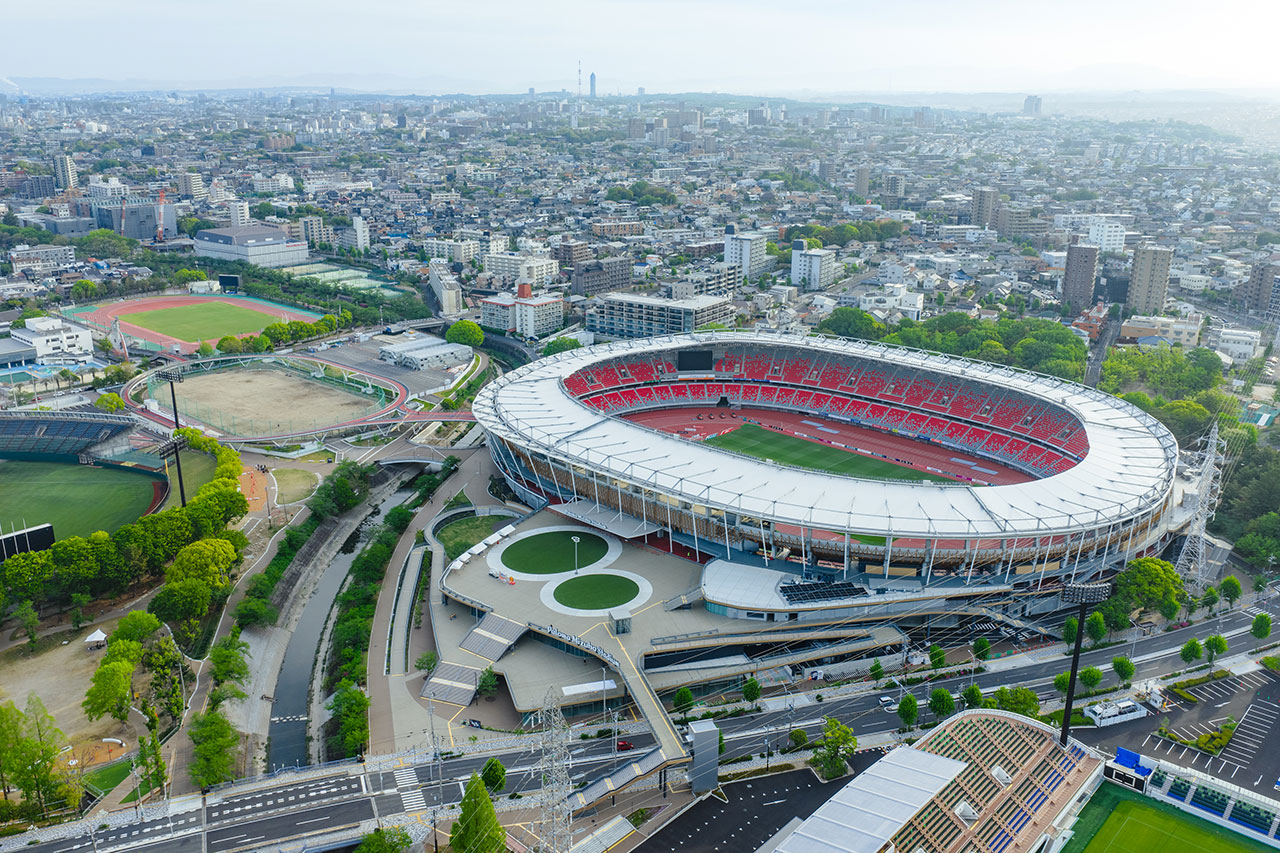
Nagoya City published its master plan in July 2020 and began accepting proposals in September. A stadium reconstruction of this scale is unprecedented in recent years, aside from the new National Stadium, and there were difficulties in organizing the bidding conditions, such as calculating the project costs. However, five major general contractors showed interest, and four groups formed consortia and submitted enthusiastic proposals. The selection process was fiercely competitive, and the winning bidder was decided in March 2021. From July of the same year, the design of the athletics stadium, as well as the demolition of the existing buildings and construction, began, and the new stadium was completed at the end of March 2026.
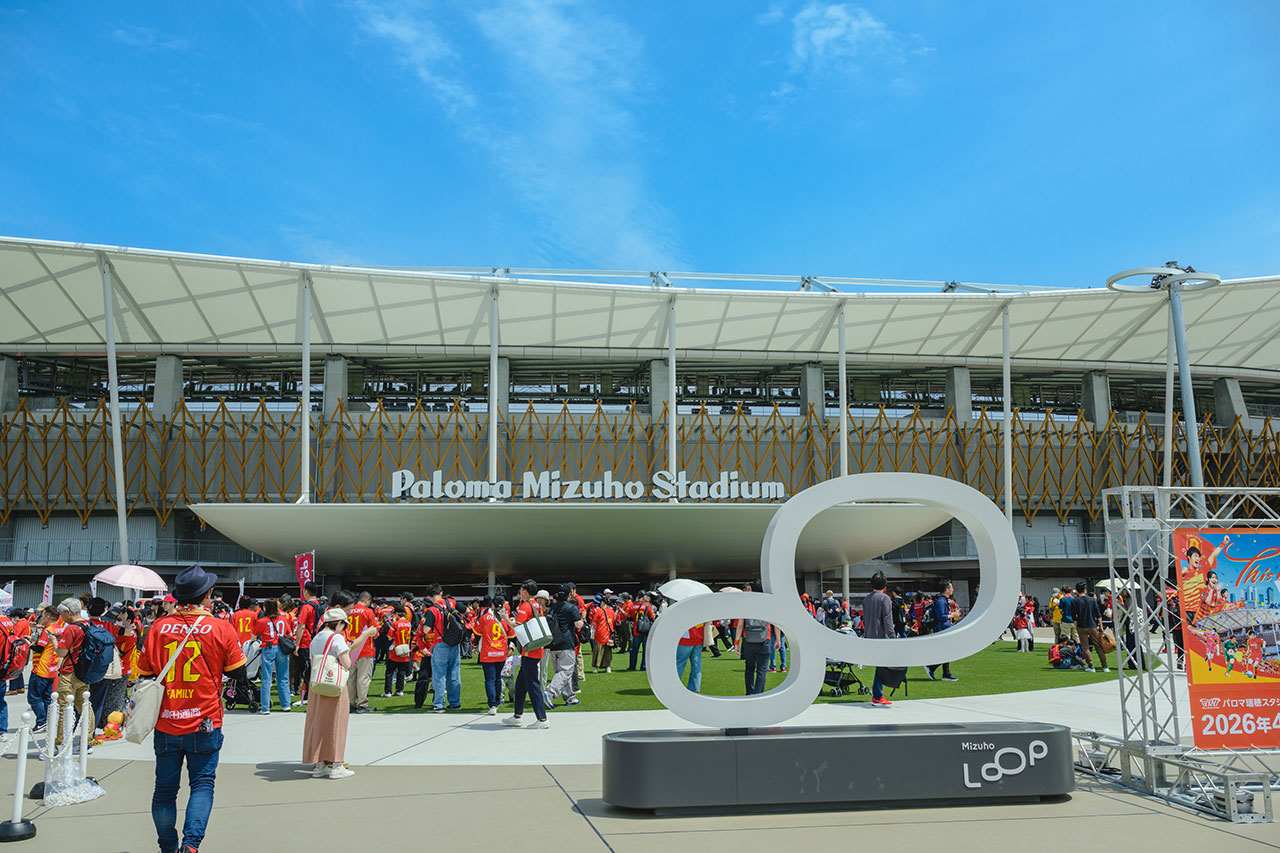
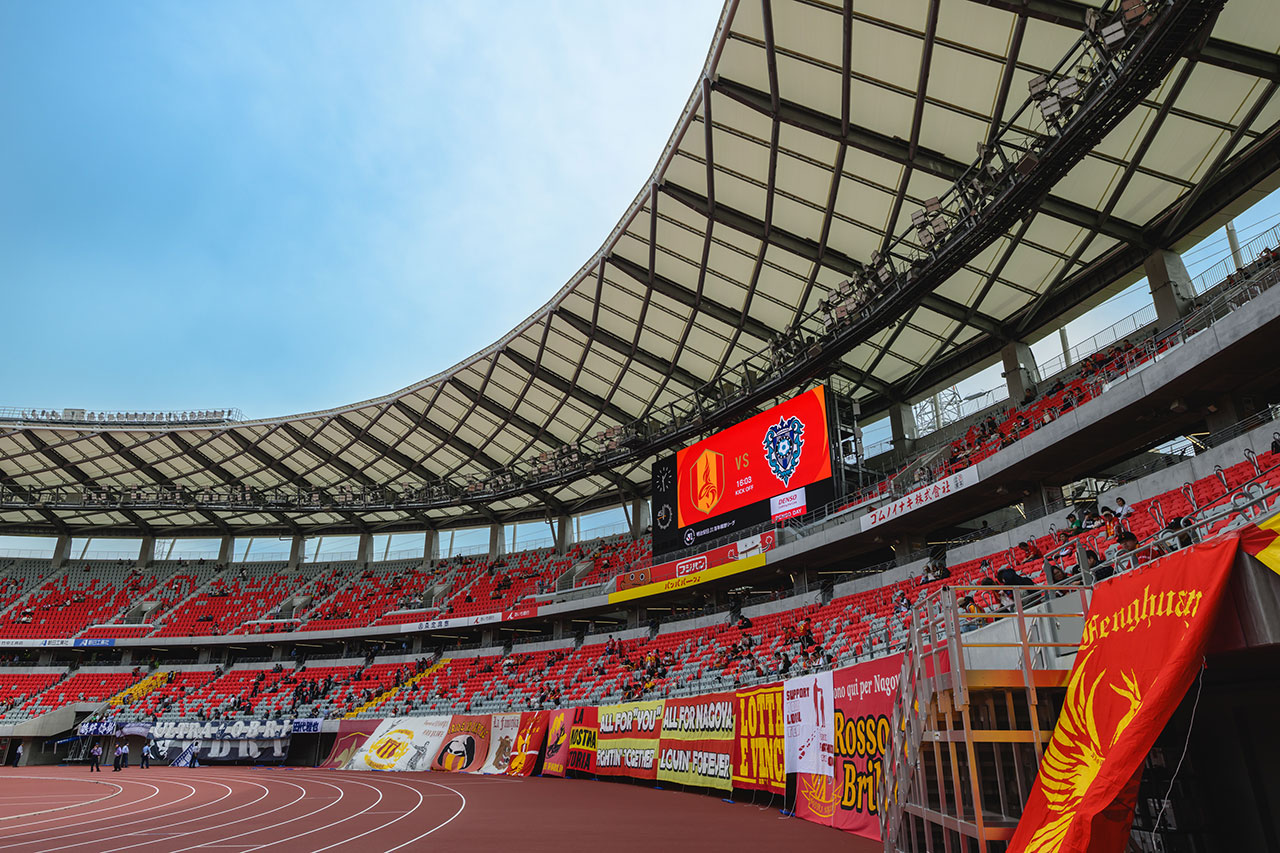
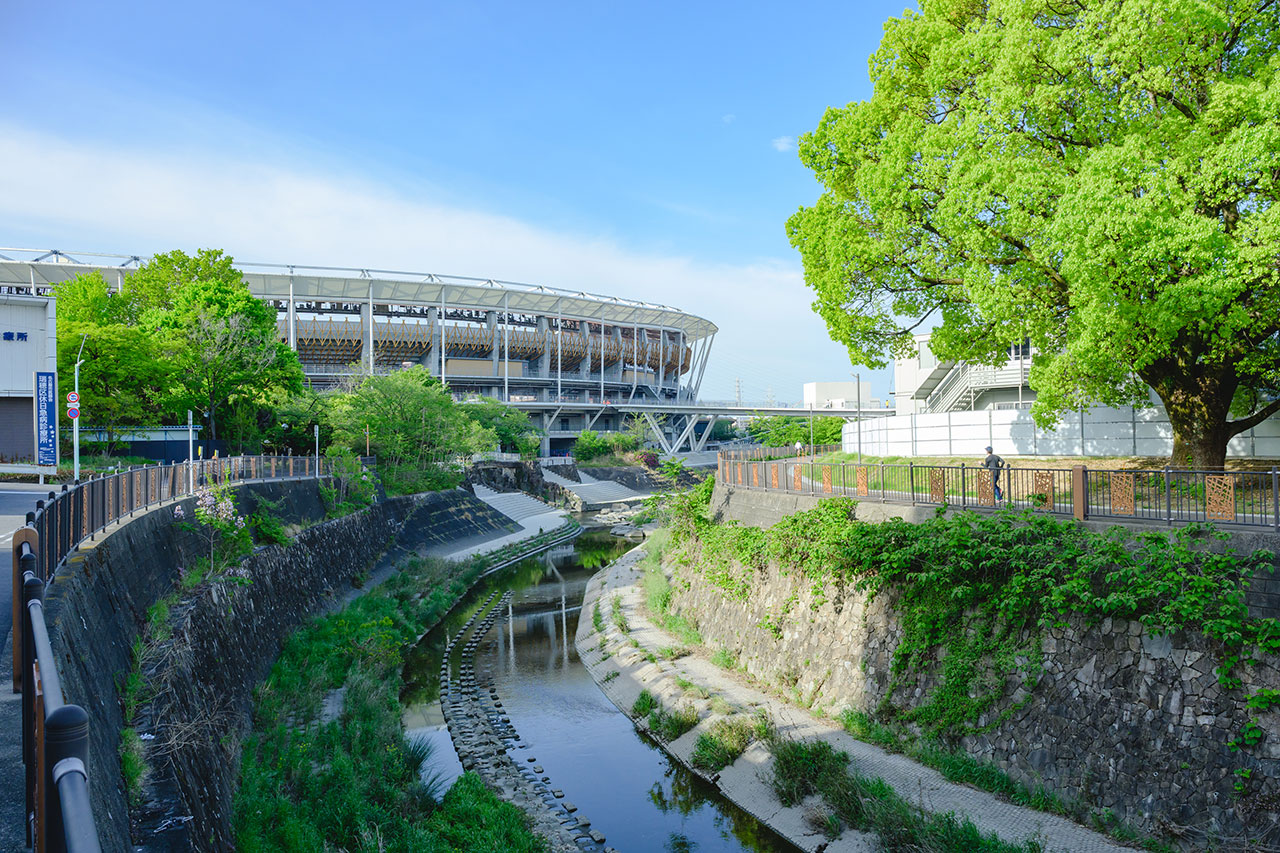
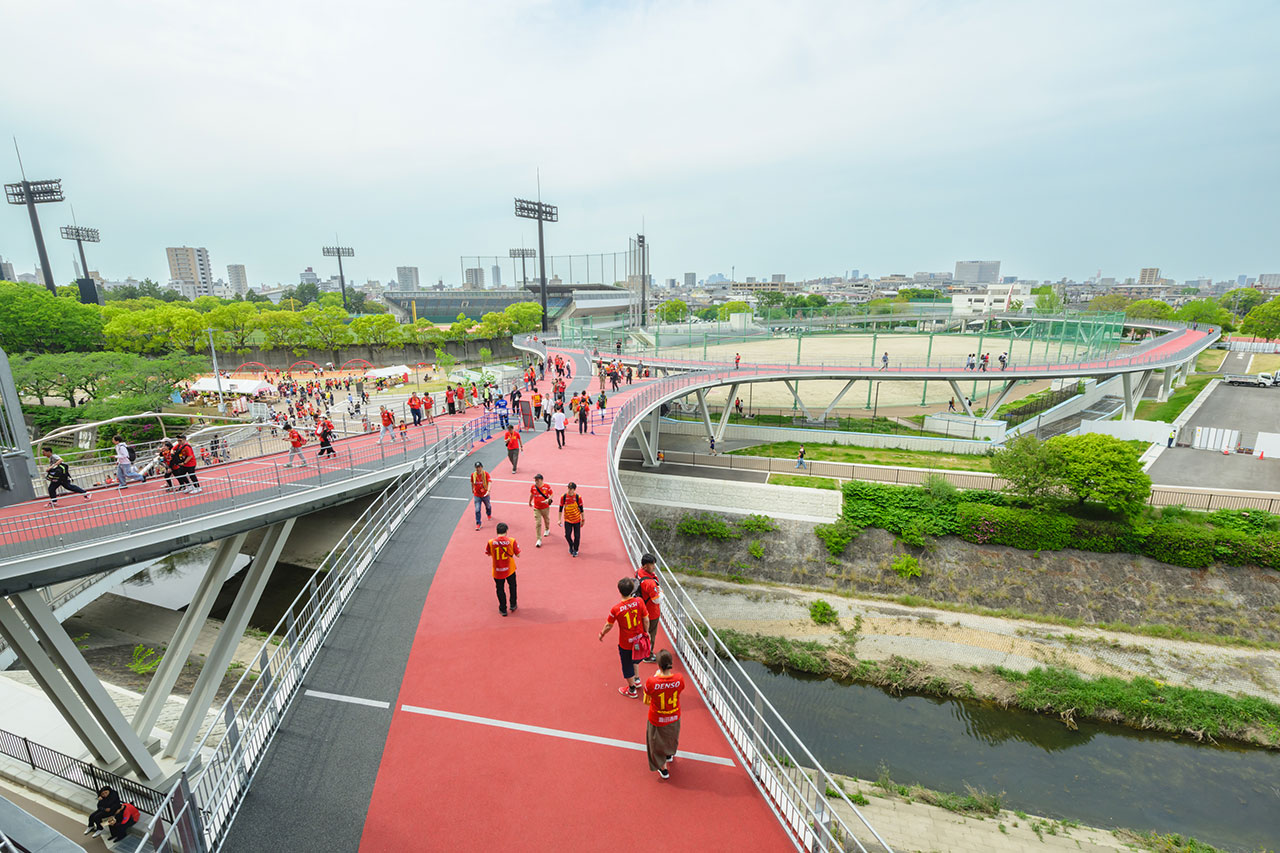
The new stadium opened in April. J.League official matches were held there, and the audience's reviews on social media were overwhelmingly positive. Another major feature of the new stadium is the approximately 1km-long figure-eight shaped promenade called "MIZUHO-LOOP," which connects the stadium's third-floor concourse to the perimeter of the recreation area. On days when there are no events, this area is open to the public, and it has quickly become a popular spot for many citizens to enjoy jogging and walking. Various events are also planned within the park, such as the "Bee Cultivation" project, which involves collecting nectar from flowers in the park to make honey, and this project has proven very popular. The management of the park's plants and other vegetation is carried out by registered volunteers, and the number of volunteers is said to be among the highest in the country. The park was previously operated under a designated manager system, but with the introduction of PFI management, it is beginning to transform into a place that local residents enjoy on a daily basis as their own asset more than ever before.
Continuously monitor operations through monitoring tasks
While the need for renovations is being discussed at many comprehensive sports parks across the country, Mizuho Park's renovation and operation through a PFI project became a pioneering example. MATSUNOBU says:
"I believe PACIFIC CONSULTANTS' unique approach of comprehensively addressing various aspects, including the stadium renovation plan, PPP, park planning, environmental conservation, and transportation planning, played a significant role. Furthermore, since this planning stage, keywords such as green infrastructure, inclusiveness, and well-being have become increasingly important, and park development now requires a more comprehensive perspective than ever before. We would like to continue supporting local governments in their planning work."
NAGURA, who joined Architecture Dept. in his mid-career and became in charge of this project a few months later, reflects on the approximately eight-year effort as follows:
"In order to create the basic plan, I visited many athletics stadiums and soccer stadiums across the country. Not only did I learn a great deal about the design of sports facilities, but I also reaffirmed the immense value that sports facilities, which can be enjoyed by the whole community, from children to the elderly and people with disabilities, play in urban development and regional revitalization. This Mizuho Park project was the catalyst that led to me being commissioned to handle basic planning and advisory work for various sports facilities, including the redevelopment of Todoroki Green Space in Kawasaki City, the Kaiseizan District Sports Facilities in Koriyama City, and the Ballpark Development Project in Aomori Prefecture. It was a major turning point for me personally, as I realized the value and potential of sports facilities and became deeply involved in them."
Following the initial support for selecting a business operator (advisory services) for the Mizuho Park development project, they also secured design and construction monitoring support services. They also provided support for project management during the development phase (schedule, quality control, etc.). Furthermore, they have been awarded a contract to support maintenance and operation monitoring, acting as a partner to Nagoya City, to confirm the progress of the project after the completion of buildings and other park facilities, as well as the status of work execution under the PFI project. "Monitoring reveals new insights, which then lead to future park development initiatives," said YAMADA. "We hope to spread this success story nationwide and contribute to urban development and regional revitalization through the renewal of comprehensive parks and large-scale sports parks," he added, expressing his aspirations.