
2026.07.01 #Mobility #Road #Railway Attention is growing on the next-generation light rail transit (LRT) system. In August 2023, a new line opened in Utsunomiya City, the first in 75 years. What kind of new urban transportation system is this, which also plays an important role in urban development known as compact cities, and what points should be considered when planning its introduction? We talked to Bunya IKEHATA, General Manager of the Transportation Infrastructure Dept., Osaka Headquarters who is centrally involved in LRT introduction projects, and Takenori MIKAWA, General Manager of Railway Planning Sec., Railway Dept., Transportation Infrastructure Div. of PACIFIC CONSULTANTS to find out.
INDEX
- What is an LRT? How it differs from conventional streetcars
- Why LRT is attracting attention
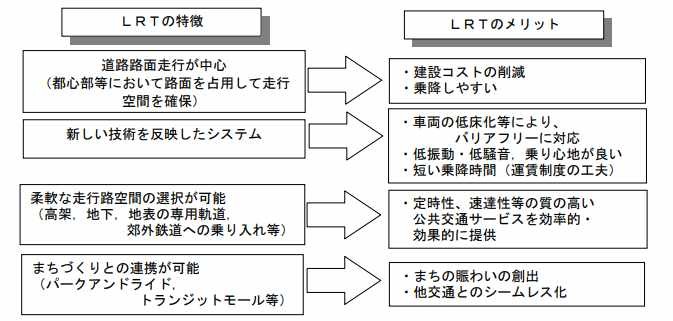
- Features and benefits of LRT
- The resurgence of trams, which were pioneered in Europe
- The introduction of LRT (Light Rail Transit) has also begun in Japan
- The first step in implementation is setting goals for urban development
- What PACIFIC CONSULTANTS can do
What is an LRT? How it differs from conventional streetcars
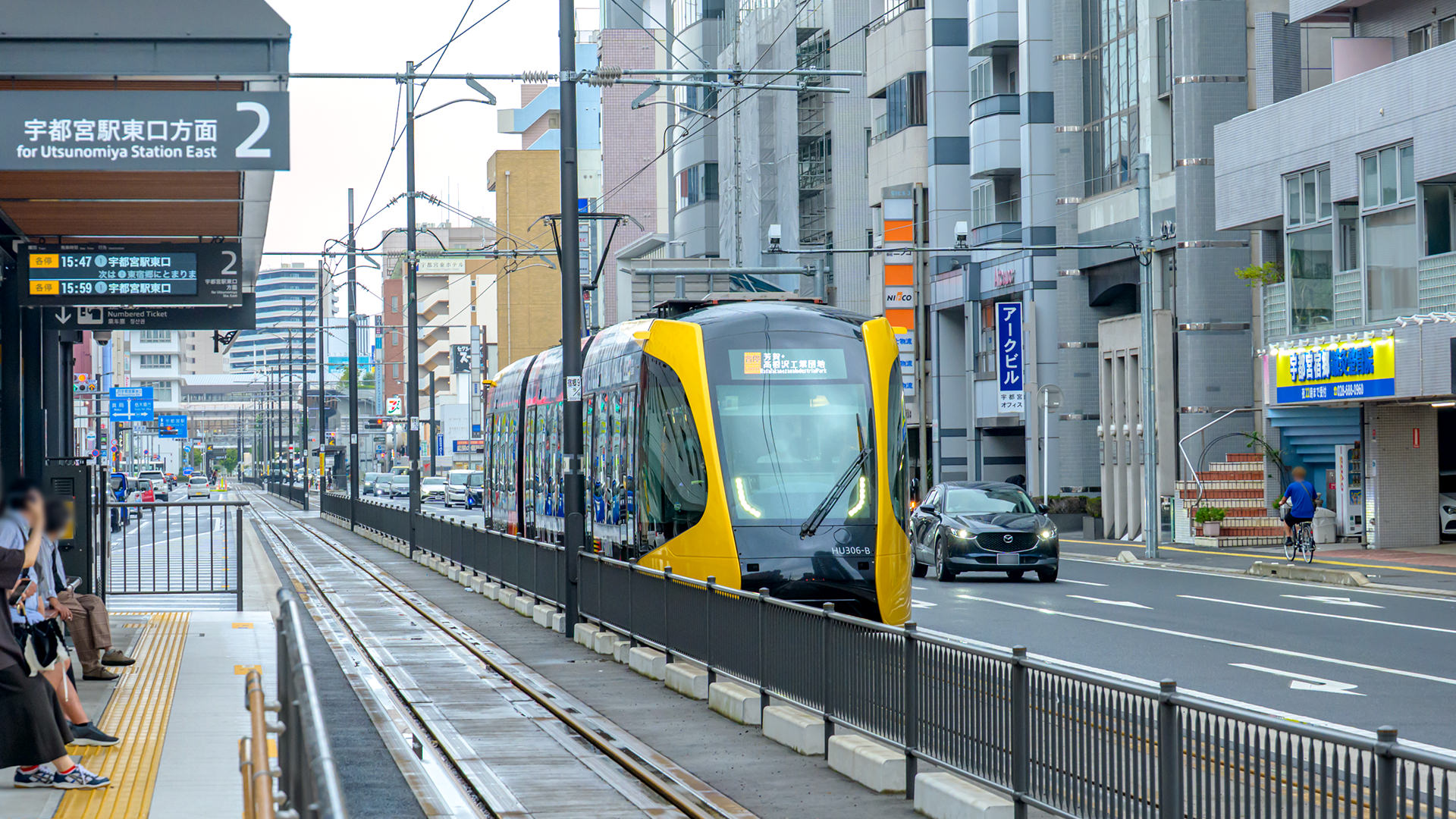
Light Rail Transit (LRT) is a next-generation tram system that offers greater speed, punctuality, and comfort than conventional trams by introducing low-floor vehicles, dedicated tracks, and priority signals. Like conventional trams, it mainly runs on tracks on roads, but LRTs are advancing the introduction of ultra-low-floor vehicles called Light Rail Vehicles (LRVs), barrier-free stations, and dedicated tracks. Another characteristic is its streamlined, futuristic design with large glass windows, which adds a unique touch to the city.
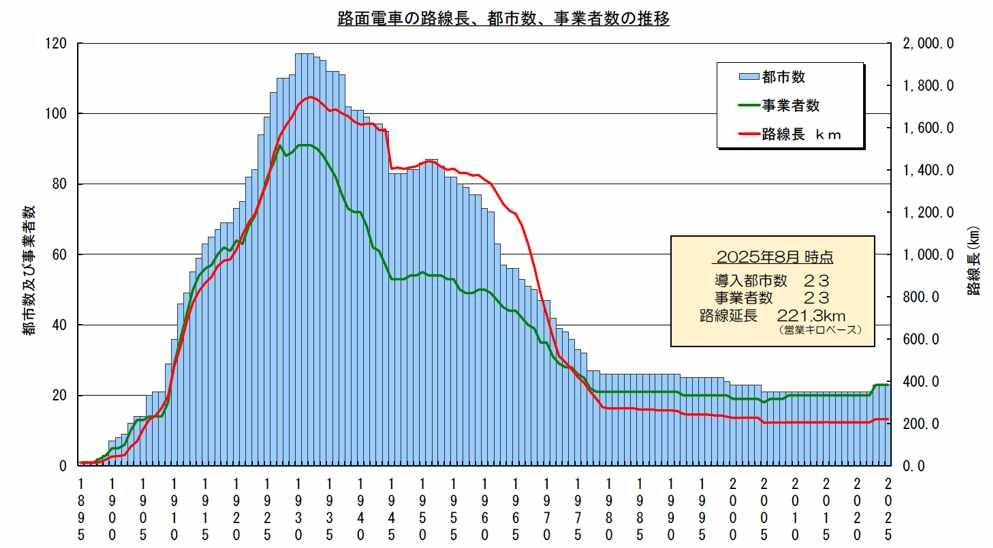
Streetcars once rapidly spread from the late Meiji era through the Taisho era, reaching their peak in 1932 (Showa 7) with 82 operators operating in 65 cities nationwide, covering approximately 1,500 km of track. However, against the backdrop of the rapid expansion of motorization that began shortly after the war, they were shunned as a cause of traffic congestion, and in the 1960s, the abolition and removal of tracks progressed rapidly. The Osaka City Tram was completely abolished in 1969 (Showa 44), and most of the Tokyo tram lines were abolished in 1972 (Showa 47). Currently, streetcars have almost disappeared nationwide, operating in only 23 cities, and the track length has decreased to about one-seventh of its peak. However, streetcars are now making a comeback as Light Rail Transit (LRT).
Why LRT is attracting attention
There are two main reasons why LRT is attracting attention. First, the increasing environmental burden due to excessive reliance on automobiles. Since the 1960s, problems such as air pollution, noise pollution, and chronic traffic congestion have become apparent not only in Japan but also in major cities around the world, and solutions are needed. As part of the efforts to reduce greenhouse gas emissions, which began in earnest in the late 1990s, reducing automobile traffic in urban areas is a major theme.
Another need is for a public transportation system suitable for compact cities, which are required in the context of population decline and an aging society with a low birthrate. In many regional cities, the vitality of the central business areas is declining, while of the urban areas is becoming densely spread out, and if this continues, it may become difficult to provide services that support daily life. Therefore, there is a need to shift to a "concentrated urban structure" that will make the spread-out urban areas more compact and ensure the sustainability of the city. In the June 1997 report of the Central Council for Urban Planning, from the perspective that a transition to an "urban society" that aims to reconstruct existing urban areas and improve their quality is necessary, the need to reposition public transportation not merely as a means of transportation but as an "urban device" was clearly stated, and the necessity of actively promoting the introduction and development of LRTs in regional core cities and other areas as a response to aging, environmental problems, and the decline of the city center was emphasized.
Features and benefits of LRT
In fact, LRT possess various features and advantages that make them suitable as the "transportation" required in compact cities.
One advantage is the high degree of freedom in determining routes while selecting the operating space, as it allows for partial grade separation, the adoption of dedicated tracks, and integration with existing suburban railways, making it easy to plan routes that align with new urban development. It also enables the introduction of a "park-and-ride" system where large-scale parking lots are built on the outskirts of urban areas, allowing users to park their cars there and use the LRT for travel within the city. Furthermore, it is possible to incorporate new technologies such as vehicles and signaling systems, making it easy to meet needs such as improved speed and punctuality, low cost, reduced environmental impact, and barrier-free access.
Furthermore, comparing LRT with other public transport systems using two axes—maximum transport capacity and average speed (average speed including stopping time)—we can see that LRT is well-positioned as a means of transportation in compact cities.
Public transportation systems include subways, urban monorails and other new transit systems, trams, and bus routes. However, there is a "transportation gap" where the maximum transport capacity and average speed of conventional subways and new transit systems are not necessary, but trams and buses are insufficient. Light Rail Transit (LRT) can fill this gap. Furthermore, construction costs are relatively low, and the futuristic design contributes to improving the urban landscape and creating a unique atmosphere. There are also unique riding experiences with LRT that runs above ground, such as enjoying the city scenery from a perspective almost the same as pedestrians through large glass windows at a moderate speed.
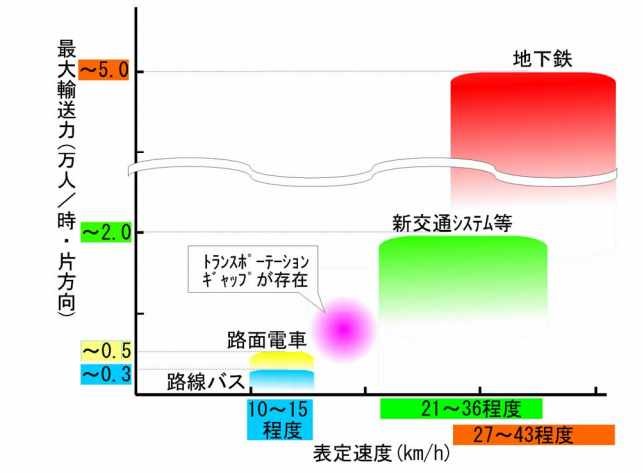
Source: “Guidance for LRT Introduction Planning Integrated with Urban Development" (Ministry of Land, Infrastructure, Transport and Tourism · Urban Development Bureau, City Planning Division, Urban Transportation Planning and Survey Office”)
The resurgence of trams, which were pioneered in Europe
Europe and North America were pioneers in introducing LRT. Europe, in particular, has made reducing automobile traffic a major policy priority as an environmental measure, and has been working on this issue since early on. Since the mid-1980s, LRT has been introduced one after another in France, Germany, Switzerland, and other countries, and the network continues to expand today.
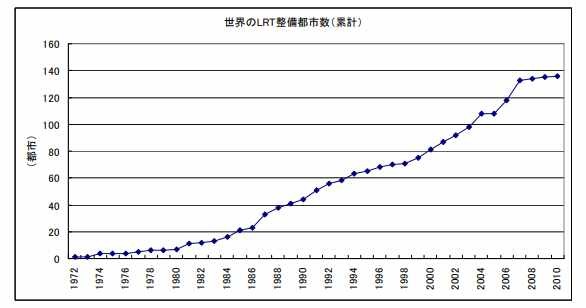
Source: "Effects of Urban Transport Development, Including LRT, on Urban Development", March 2011 (Ministry of Land, Infrastructure, Transport and Tourism)"
Among the successful examples of LRT implementation, the case of Strasbourg (population approximately 290,000) in eastern France, near the German border, attracted global attention. Strasbourg had a tram system that opened in 1878 but was discontinued in 1960. Subsequently, in the late 1980s, approximately 300,000 cars flowed into the city center daily, resulting in chronic traffic congestion. Air pollution also became a serious problem. In 1989, a mayor who advocated for the introduction of an LRT system was elected, and development progressed significantly.
Specifically, the main roads that crossed the city center were blocked off, and bypass roads were constructed in the suburbs. The LRT became the only mode of transportation that could cross the city center, and at the same time, large-scale parking lots were developed on the outskirts of the city, introducing a "park-and-ride" system where people park their cars there and use the LRT for travel within the city. From 1994 to 2000, the LRT operated on four lines with a track length of approximately 40 km (63 stations), and it has had a significant effect, such as a 43% increase in public transport users over the 10 years from 1990 *.
The introduction of LRT (Light Rail Transit) has also begun in Japan
In Japan, there has been a growing movement to re-evaluate streetcars. The first step was the introduction of low-floor, new type of vehicle (LRVs) to existing streetcar lines. Beginning with Kumamoto City in 1997, LRT was introduced in Hiroshima City, Kagoshima City, Matsuyama City, Kochi City, Okayama City, and other cities, and progress was also made in making stops barrier-free and relocating them to station plazas. Meanwhile, to support the introduction of LRT, the national government created and published the "Guidance for LRT Introduction Planning Integrated with Urban Development", in October 2005, which compiled know-how on planning and consensus building. Furthermore, the "Act on Revitalization and Rehabilitation of Local Public Transportation Systems" was enacted and came into effect in October 2007. This act stipulates that local governments will play a leading role in maintaining local public transportation and have an obligation to create a system that ensures essential transportation for daily life. In addition, anticipating the development of new LRT, a new measure known as the "separation of ownership and operation" system was introduced, which separates the "entity that operates the trains (above)" from the "entity that owns and manages facilities such as tracks and stations (below)." Prior to this initiative, the first full-scale LRT project in Japan was the Toyama Light Rail in Toyama City, which opened in 2006. Since its opening, the number of users has increased significantly, and it has played a major role in creating opportunities for elderly people to go out."
In addition, Utsunomiya City is also working on introducing an LRT (Light Rail Transit) system, and as the first phase, the Utsunomiya Light Rail, connecting the east exit of JR Utsunomiya Station to the Haga-Takanezawa Industrial Park over a distance of approximately 15 km, opened in August 2023. The opening not only significantly alleviated chronic traffic congestion on national highways, but also saw passenger numbers more than 20% higher than expected, and increased shoppers at shopping malls along the route, playing a major role in creating a vibrant local area. Currently, the second phase of the project, which will extend the line 5 km west from Utsunomiya Station, is in the detailed design stage.
The first step in implementation is setting goals for urban development
Light rail transit (LRT) is a "new urban device," not merely a means of transportation, but "one of the tools for urban development." Therefore, the first thing required when introducing it is to clarify the goals of urban development, such as how to achieve a more compact urban structure, how to revitalize the central business district, how to redevelop the area around the station, and how to define land use plans for surrounding areas. Only with a grand design on the "city" side that will receive the LRT can concrete considerations be made about how to utilize the LRT and how to coordinate it with existing public transportation such as buses and railways, as well as automobile traffic. The success of the LRTs in Toyama City and Utsunomiya City was also made possible because they had a clear vision for urban development.
What PACIFIC CONSULTANTS can do
PACIFIC CONSULTANTS centered around Railway Dept. at Transportation Infrastructure Div., and with the integrated participation of Road & Highway Dept., Transportation Planning Dept., and Architecture Dept. in LRT projects, we comprehensively undertake planning, basic design, and detailed design as tools for new urban development. In addition to contributing to the development of national guidelines, we have served as a member of the design joint venture for the Utsunomiya Light Rail project, where we were responsible for the detailed design of the Minecho Overpass and the Kinugawa Bridge sections considered particularly challenging. Since then, we have been involved in projects such as the Okinawa Railway LRT and other feeder (branch line) transportation plans, as well as the Yokohama Kamiseya Line “ART (Advanced Rapid Transit: Next-Generation Urban Transit System)” project. PACIFIC CONSULTANTS will continue to support the introduction of LRT in regional cities by leveraging the insights gained from our past initiatives and our unique comprehensive capabilities.